


Family abuse and neglect remain ongoing challenges that frequently span multiple generations. The conversation around Physical and Emotional Abuse is prevalent, yet the intergenerational cycle of trauma remains a less explored topic. This cycle, where Victims of abuse may become abusers themselves or find themselves in abusive relationships, warrants greater attention and understanding.
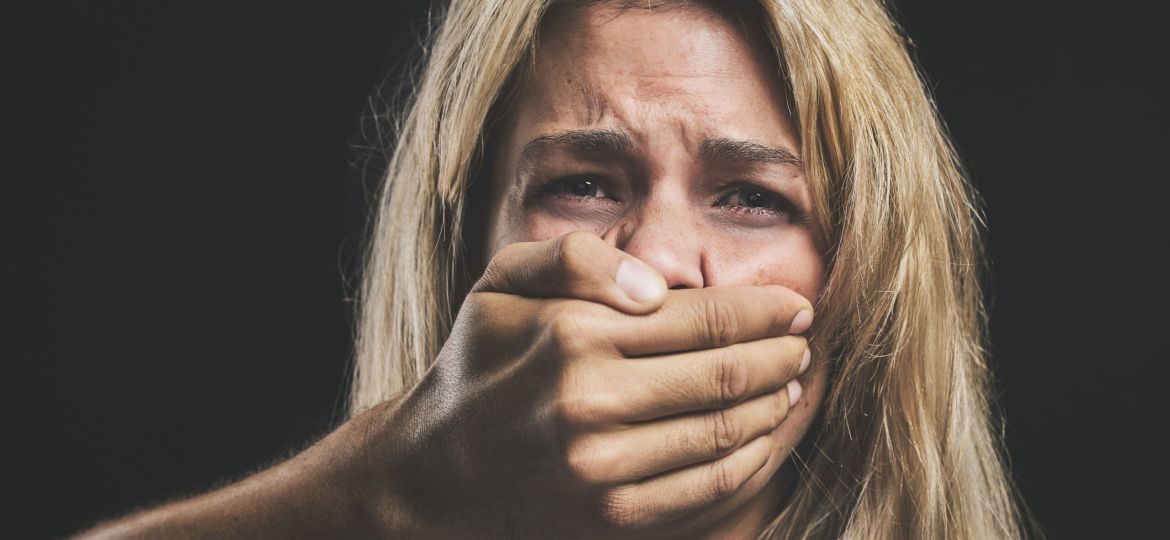
domestic violence

In a world where technology has transformed communication, we are now facing the emergence of new forms of abuse that accompany these advancements. Cyberstalking, a persistent and intrusive form of online harassment, has emerged as one of the most alarming digital threats in today’s interconnected world. In stark contrast to traditional stalking, cyberstalking empowers perpetrators to target their victims around the clock, effectively dismantling the barriers that once safeguarded personal safety.

In 2021, the case of Gabby Petito’s disappearance and subsequent murder captivated the nation, leading to extensive media attention and public scrutiny. As new information comes to light, it is evident that her heartbreaking death represents the tragic end of a cycle of abuse that had remained overlooked and unaddressed. This case has brought to light the critical issues surrounding Domestic Violence, highlighting the gaps in law enforcement’s response and the significant impact of social media in contemporary investigations.

Domestic Abuse can happen to anyone, regardless of their background, gender, age, ethnicity, religion, or sexuality. Around one in five women experience Domestic Abuse in their lifetime from a partner or ex-partner (NHS Inform, 2023). One in three women are affected by Domestic Abuse when pregnant (Tommy’s Pregnancy Hub, 2023).
Centered around a group of women who have been constantly raped and abused