


In the sprawling world of online wellness, a new kind of influential voice has emerged—one that promises transformation, healing, emotional rebirth, and more. These promises are sold easily with nothing more than a subscription link and a charismatic smile, often found without trying while scrolling social media.
trauma

For many people behind bars, the story didn’t begin with a crime; it began with a wound. Cycles of abuse, neglect, and survivalism shape countless lives long before a prison sentence ever does. When children grow up without guidance, without safety, without anyone modeling compassion, it’s not surprising that some eventually stumble into the only patterns they’ve ever known.

In a world where wars, disasters, and everyday violence shape so many lives, trauma is far from rare. Researchers estimate that nearly 70% of people will face at least one potentially traumatic event in their lifetime, and about 5.6% will develop post-traumatic stress disorder. But when the trauma comes from abuse, especially the kind that unfolds behind closed doors, the impact can be even more insidious.
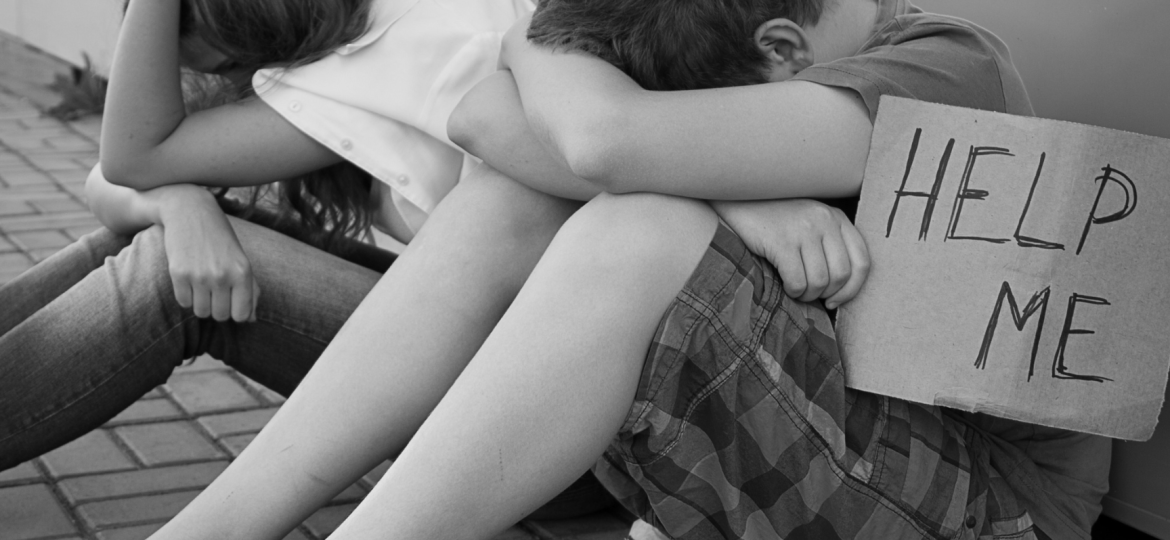
Exploring the profound effects of family neglect on homeless youth reveals a troubling reality: these young individuals face heightened vulnerability to abuse. The intersection of neglect and homelessness creates a precarious situation, leaving them exposed to various dangers and challenges. As we delve into this critical issue, it becomes clear that addressing family neglect is essential in safeguarding the well-being of these at-risk youth.

Physical Abuse during adolescence is a serious concern that can have far-reaching effects on an individual’s development. This form of abuse is not only an immediate harm; it has a long-lasting effect and can cause stunted growth psychologically, emotionally, and physically.